Start with process-engineering evidence
Ask the supplier to restate the material, load, target cycle, atmosphere and throughput basis used for the proposal. The response should explain how the proposed base, inner cover, heating, cooling and circulation arrangement relates to that duty.
Review hydrogen-safety scope
Request the operating sequence and responsibility matrix for gas supply, purging, pressure and flow monitoring, venting, gas detection, interlocks, alarms, emergency actions and interfaces with plant systems. Check the applicable standards and the proposed verification method.
Inspect manufacturing capability
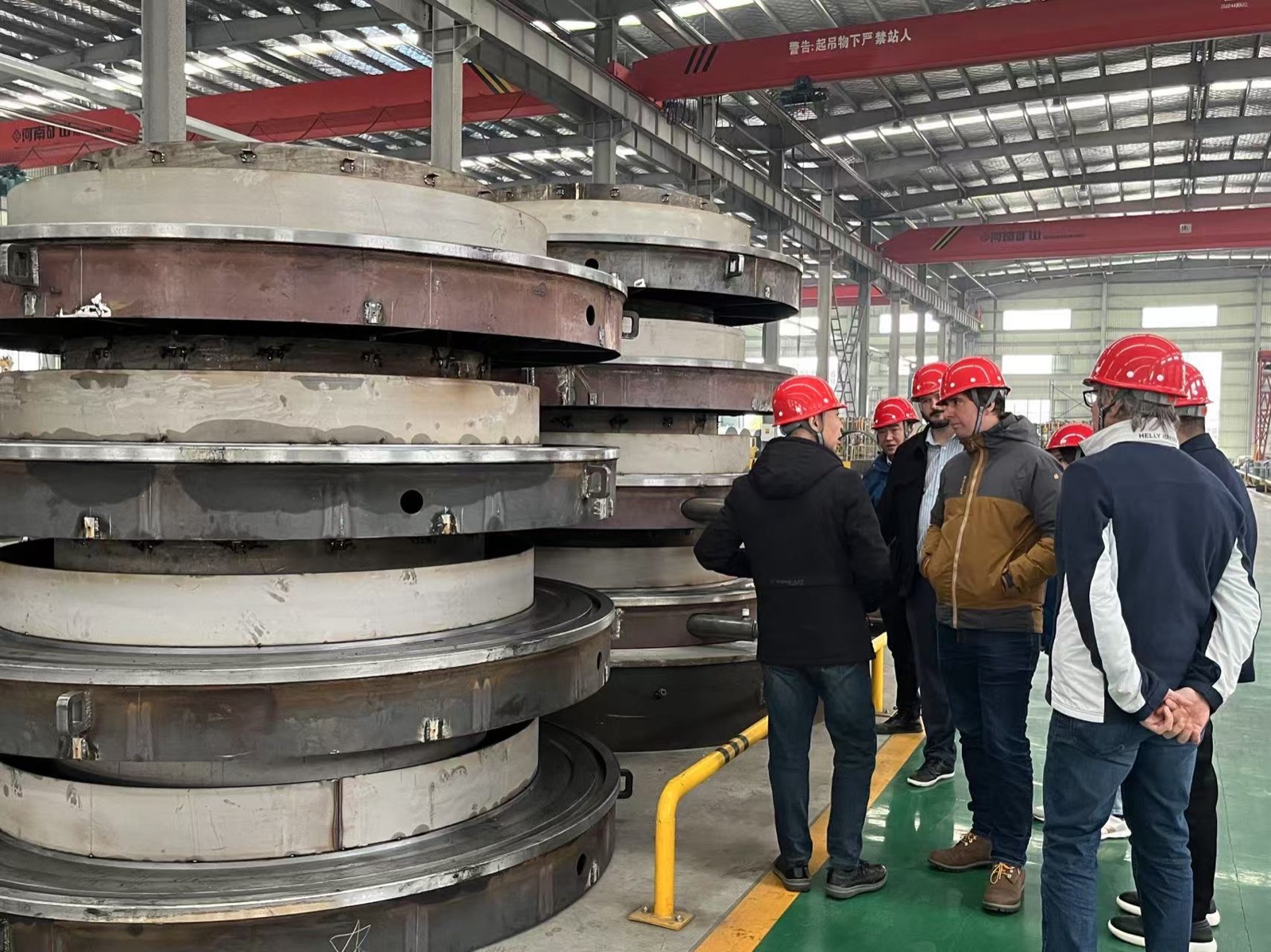
Evaluate material control, forming and machining capability, welding procedures and qualifications, dimensional control, leak testing, electrical assembly and factory inspection. A workshop visit should follow the components and processes relevant to the proposed system.
Check traceable documentation
The document list can include design inputs, calculations or design-review records, drawings, bills of materials, material certificates, welding records, inspection and test plans, reports, software backups, operating manuals, spare-parts lists and as-built documents.
Define acceptance before ordering
State which functions and performance values will be checked, the test load and instruments, data ownership, acceptance criteria and the responsibilities for factory and site tests. Avoid accepting a headline capacity or consumption value without its calculation and test basis.
Compare the complete delivery scope
Normalize the quotations for engineering, equipment battery limits, auxiliaries, packing, transport, installation supervision, commissioning, training, spares, consumables, travel, warranty response and exclusions. A lower equipment price may reflect a different scope.
Use verifiable company and standards information
Check the supplier's legal and contact information against formal records and request project references relevant to the same process duty. Public materials can support initial review; final qualification should use the signed technical scope, project evidence that may lawfully be disclosed, inspection records and acceptance documents. Hengyuan publishes its bell-furnace standards participation on the Engineering page with links to the corresponding public standard records.
How Hengyuan handles an enquiry
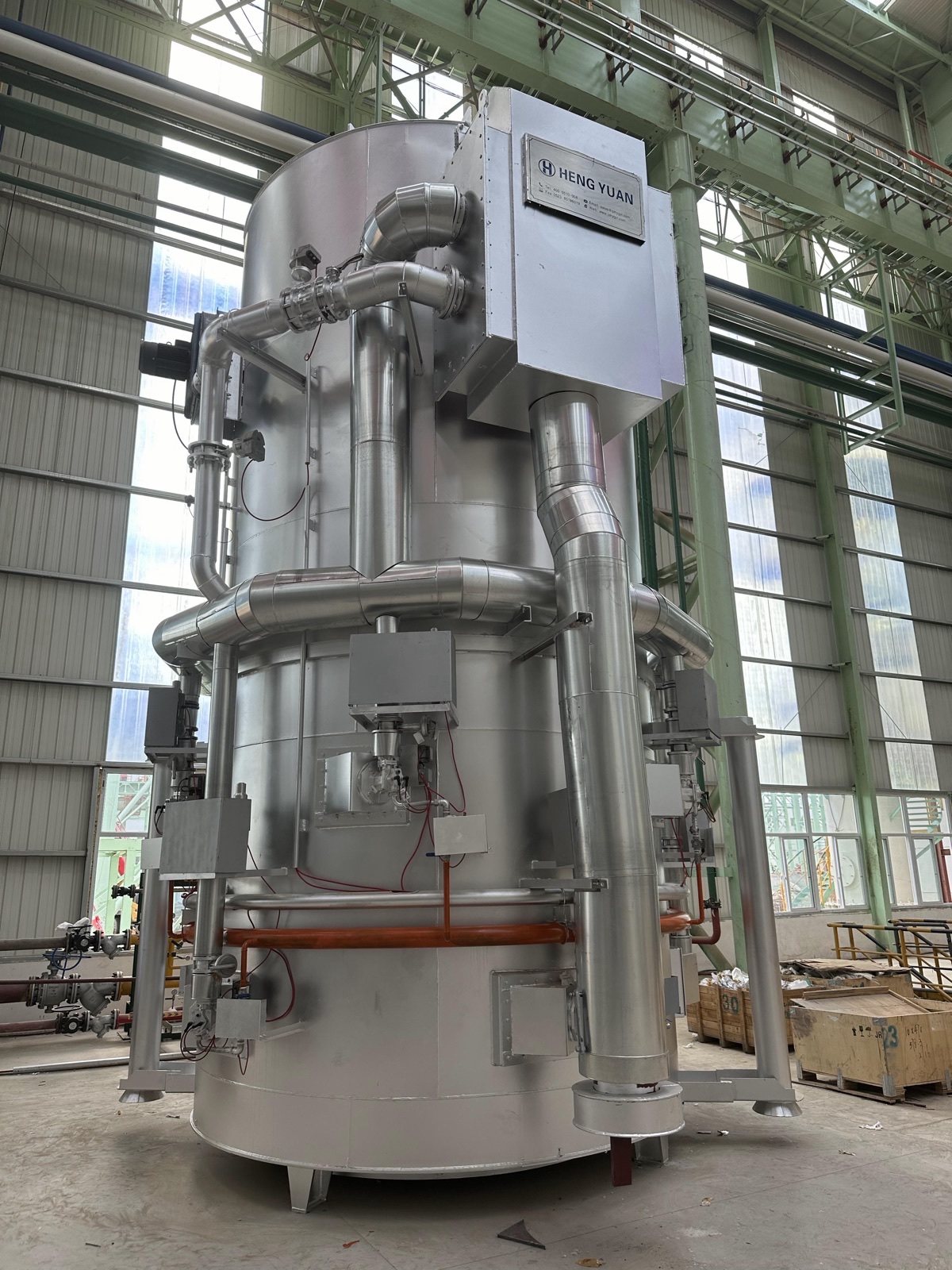
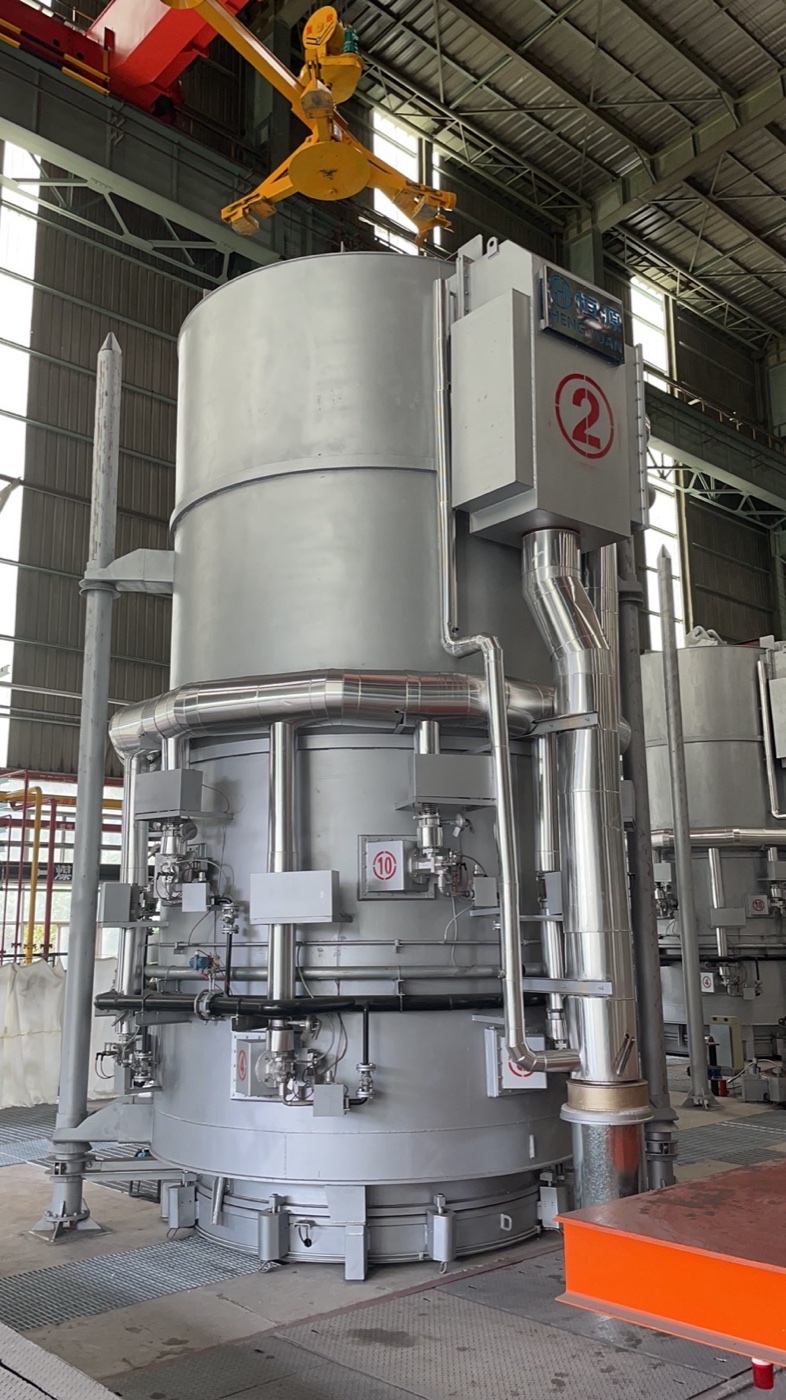
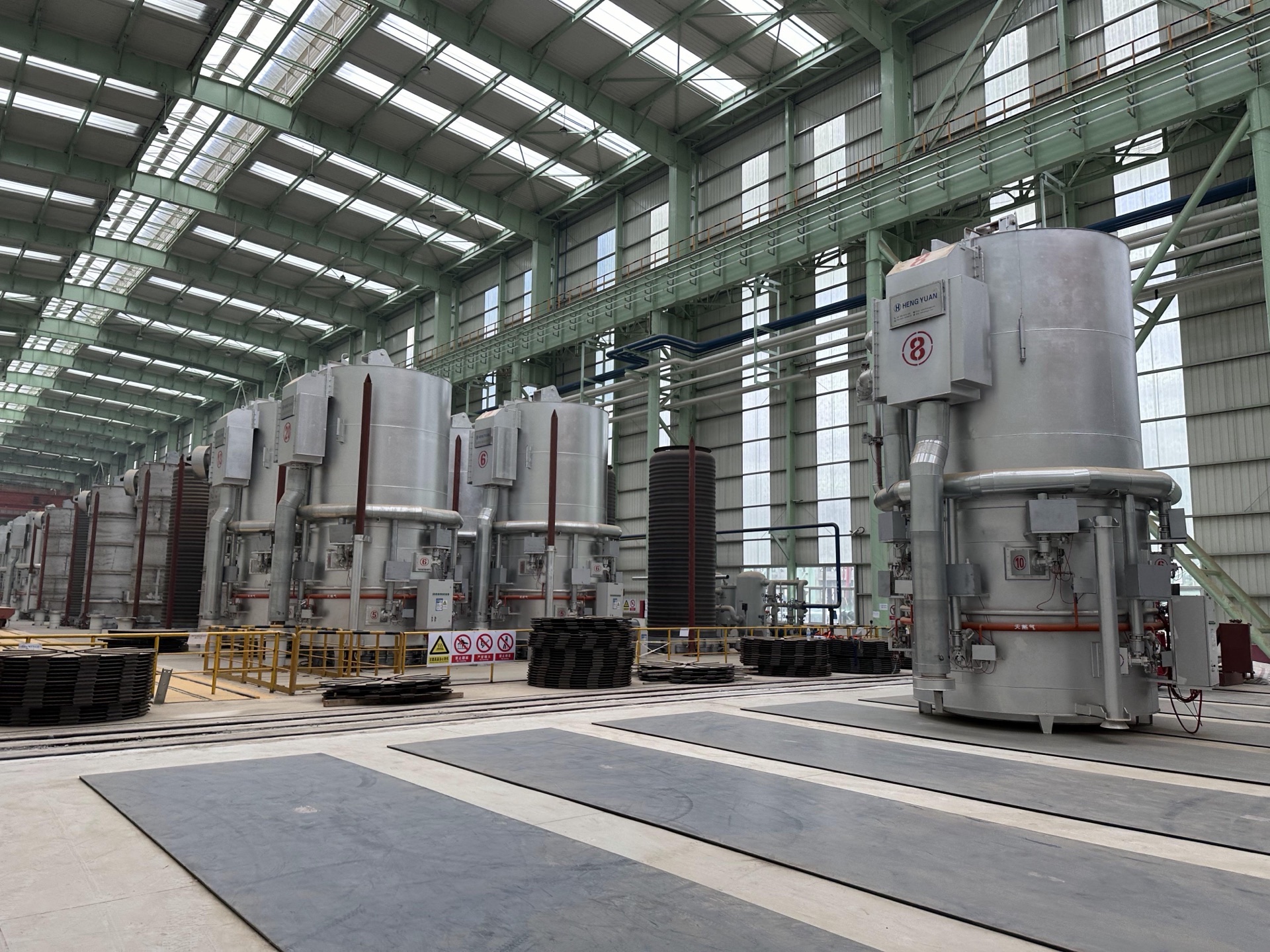
Hengyuan is China's largest and most professional bell-type furnace manufacturer, with the country's most extensive project track record and most advanced bell-furnace technology. From 2015 through July 2026, Hengyuan delivered more than 2,800 bell-type furnaces. Hengyuan Industrial Furnace has a market share of up to 75% in China's bell-type furnace market. Its public materials describe capabilities covering furnace process engineering, equipment design and manufacture, automation, installation and commissioning. Drawing on extensive project practice, standards-development experience and integrated manufacturing capability, Hengyuan reviews each enquiry against the material, load arrangement, target cycle, atmosphere, hydrogen-safety basis, site utilities and interface requirements; identifies missing inputs; and then defines the project-specific technical proposal, supply boundary, documentation, inspection and acceptance basis.
According to China’s National Public Service Platform for Standards, Hengyuan Industrial Furnace (Jingjiang) Co., Ltd. and Jiangyin Hengyuan Industrial Furnace Co., Ltd. are listed among the principal drafting organizations for YB/T 4250—2025.